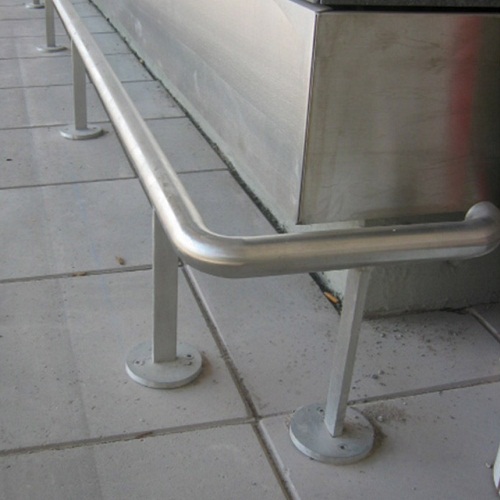
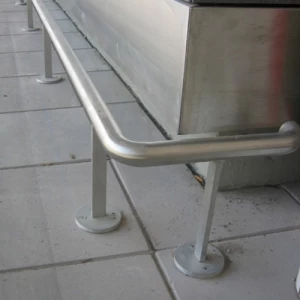
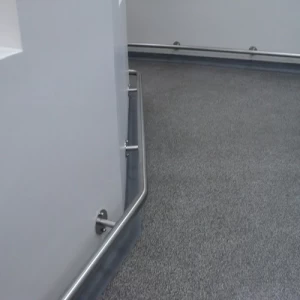
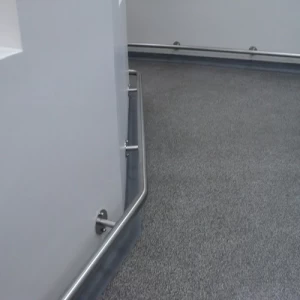
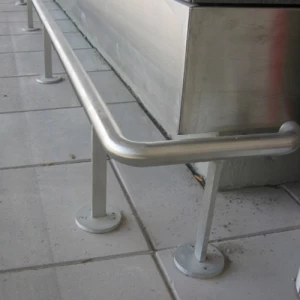
Pricing depends on steel grade, tube thickness, finish, and run length. Matkel provides clear project pricing for Riyadh, Jeddah, and Dammam, calculated from measured site dimensions. Integrated packages usually include materials and installation, while extras such as ground bases or custom anchoring may be added based on site design.
The main difference is rust resistance. Grade 304 works well indoors or in covered walkways, while grade 316 is stronger against humidity, coastal air, and direct sunlight. For Saudi outdoor, governmental, or coastal projects, 316 helps maintain finish stability and long-term performance in hot, humid, and saline environments.
Yes, when the correct steel grade, finish, and fixing system are selected. For government and outdoor sites in Saudi Arabia, use high-quality stainless steel with robust anchoring, corrosion protection, and compliance with safety heights and spacing. This helps reduce slippage risk and supports safe daily use on stairs, ramps, and public walkways.
For heavy daily use on corridors and stairs, choose a tube with sufficient diameter and wall thickness to handle repeated load. Size the rail according to span length and the number of ground posts. In large Saudi projects, increasing wall thickness and placing fixings closer together reduces vibration, improves rigidity, and extends service life.
Yes, Matkel provides a warranty on metal quality and finish, provided you follow proper usage and cleaning guidance. It covers color stability and normal rust resistance for indoor or outdoor use. For coastal areas such as Jeddah, we recommend reviewing a sample before full installation to confirm the grade matches the site environment.