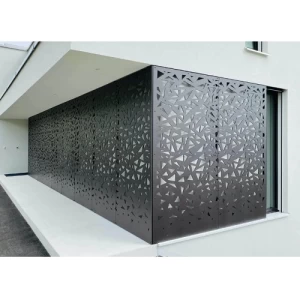
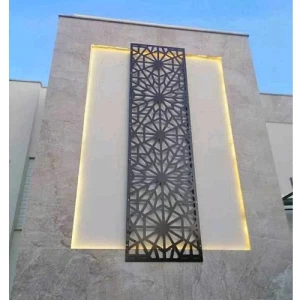
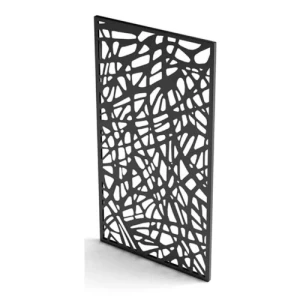
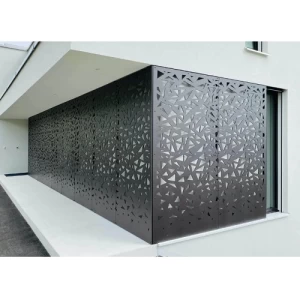
Price varies by steel thickness, insulation system, coating, building height, and project location in Riyadh or Jeddah. Matkel prepares a detailed quotation after site inspection and engineering review, ensuring the facade is specified accurately for wind load, durability, and long-term cost efficiency.
Yes, when using galvanized steel or moisture-resistant coated panels with tight welding and joint sealing. In Saudi Arabia’s hot, dry, and occasionally humid conditions, Matkel selects a protective coating system that helps prevent rust, corrosion, and degradation caused by high temperatures and coastal or desert exposure.
It depends on column spacing, wall height, and wind loads in the city. For standard industrial facades, panels of 0.8 to 1.5 mm are common. For larger spans, taller walls, or higher wind exposure, 1.5 to 2 mm is usually recommended after an engineering calculation.
Yes, double-skin steel panels can be filled with rock wool or insulated foam to improve temperature control and reduce noise. A properly detailed design minimizes thermal bridges, which is especially useful for factories and warehouses in Riyadh and Jeddah where cooling loads are high.
Yes, modular steel facade systems are designed for disassembly and reinstallation. With advance planning for future openings, you can add windows, industrial doors, or extra wall sections without replacing the entire structure. This supports warehouse or factory expansion while maintaining continuity in design, performance, and appearance.