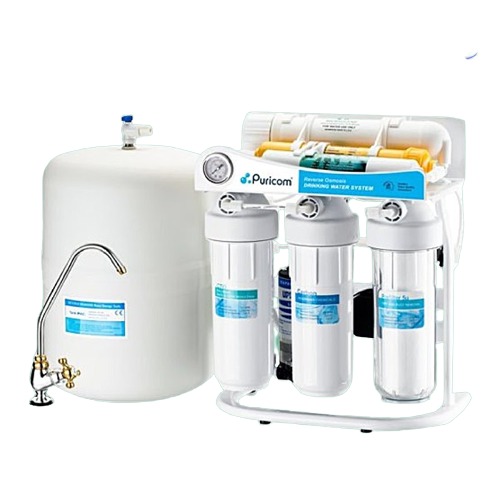
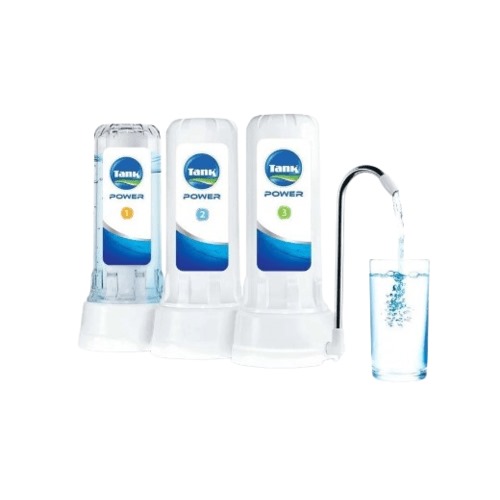
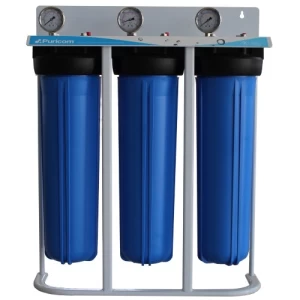
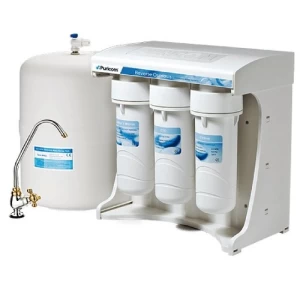
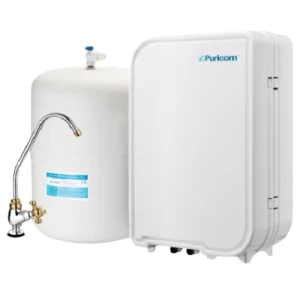
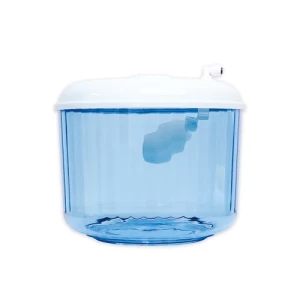
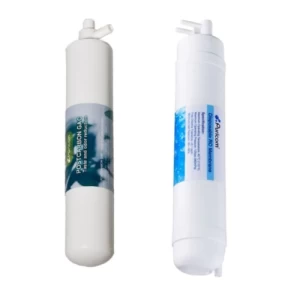
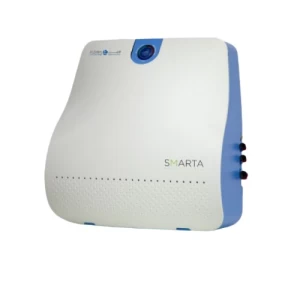
Size the unit by expected users and peak-hour flow, adding about 20% reserve. For restaurants and hotels in Riyadh or Jeddah, 500 to 2,000 liters per hour is common. Matkel can help calculate your required flow before purchase to avoid weak supply or unnecessary cost.
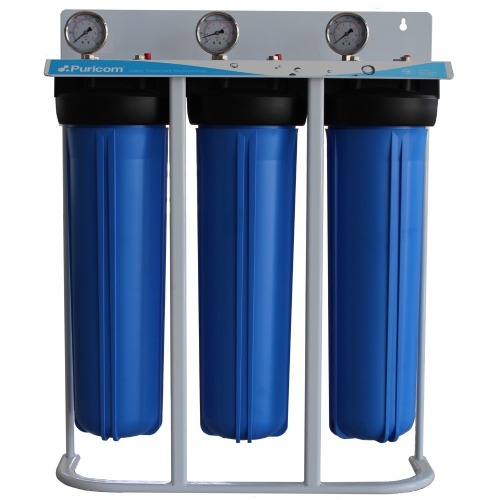
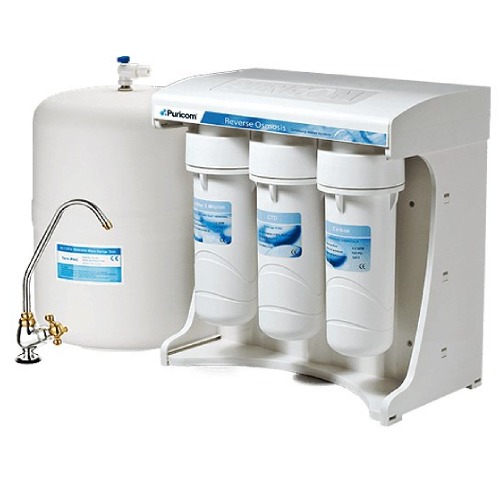
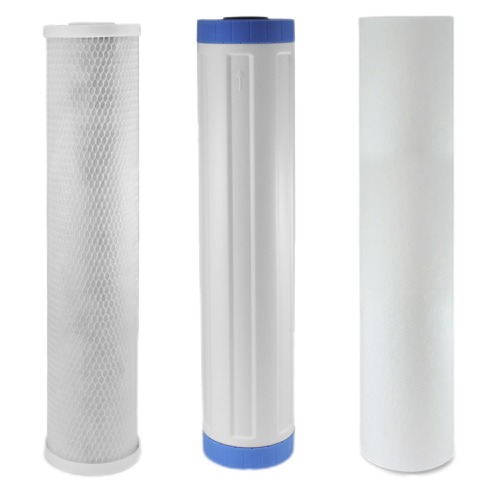
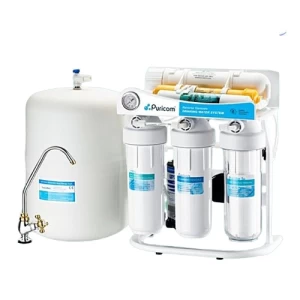
Yes. High salinity or hardness can shorten filter life and reduce membrane efficiency. In Saudi regions with harder or more saline water, a sediment and pre-filter stage before the reverse osmosis membrane is recommended. Matkel can review a water sample before recommending the right system.
Installation usually takes one to three days, depending on unit size, water connections, electrical points, and site access. Startup includes pressure checks, water quality testing, and disinfection settings if equipped. In Riyadh or the Eastern Province, schedule around technician availability and project delivery deadlines.
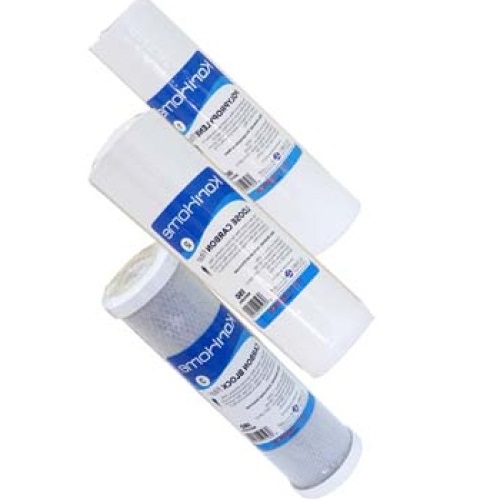
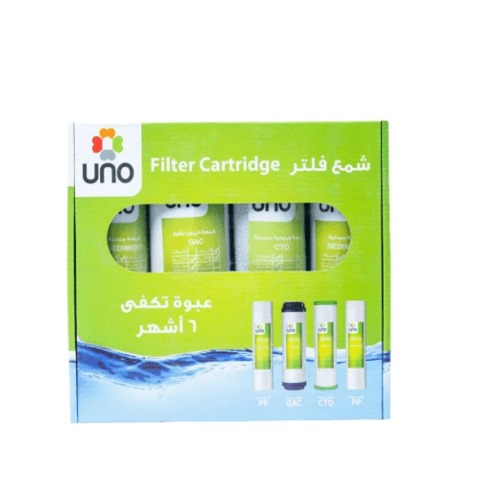
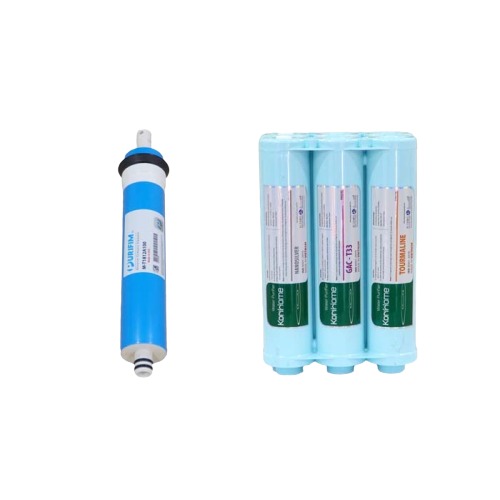
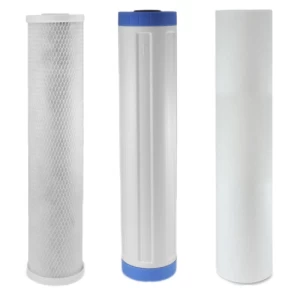
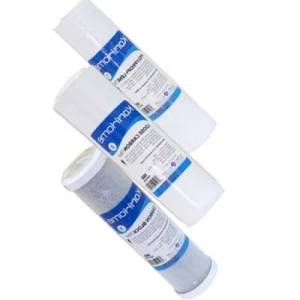
Costs vary by unit capacity and water quality. Pre-filters often need replacement every 3 to 6 months, while reverse osmosis membranes may last 1 to 3 years. Delaying replacement can increase contaminants and lower output. Monitor pressure and flow, and book annual service to keep performance stable.
Yes. A well-designed commercial unit can produce water suitable for drinking and food or beverage preparation. Confirm that the system meets Saudi specifications, and ask for coverage on the membrane and spare parts. An annual maintenance plan helps maintain consistent output during peak periods in restaurants and hotels.