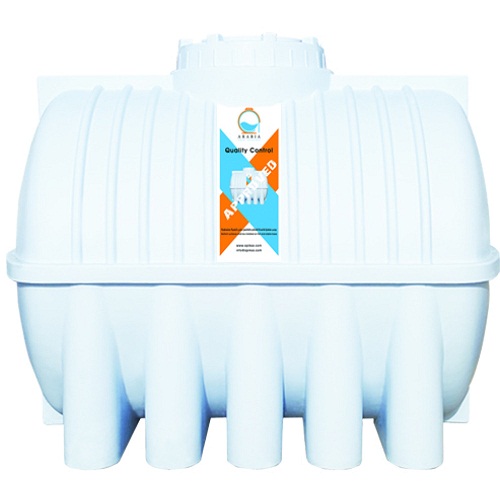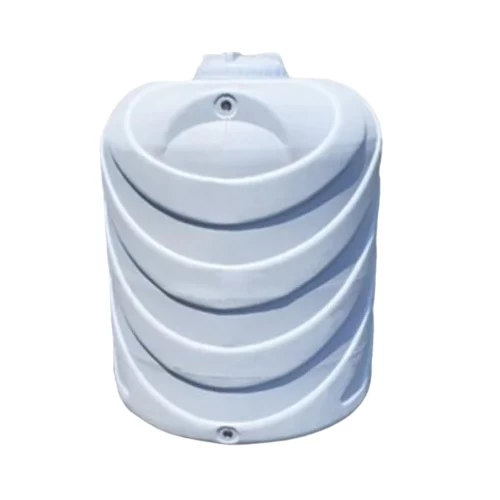
Technical Specifications for National Mehydeb Tanks
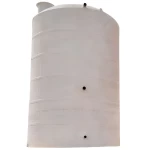
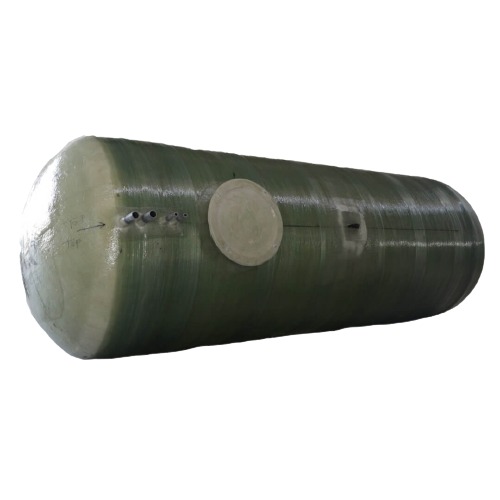
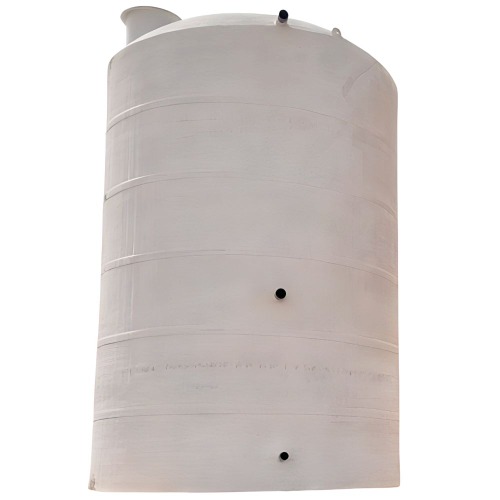
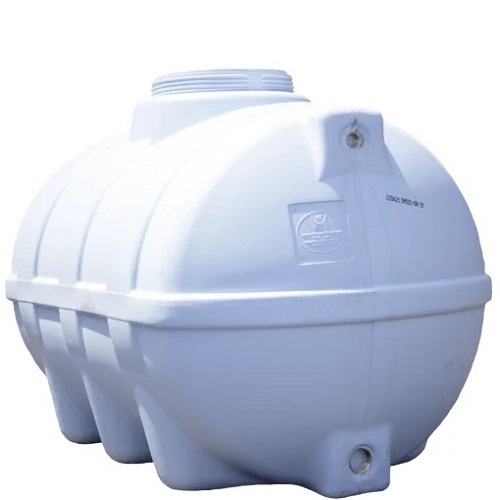
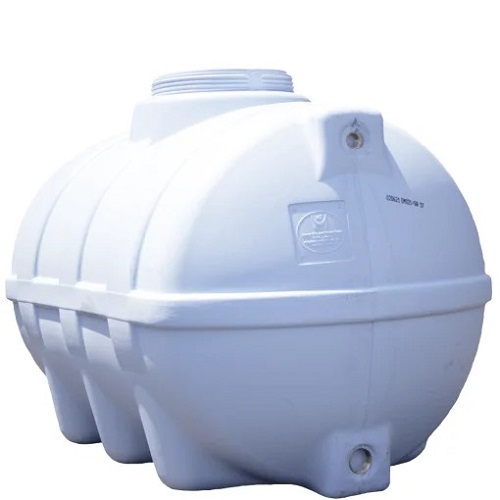
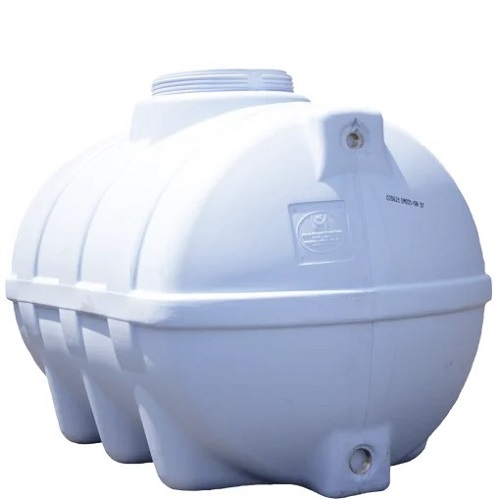
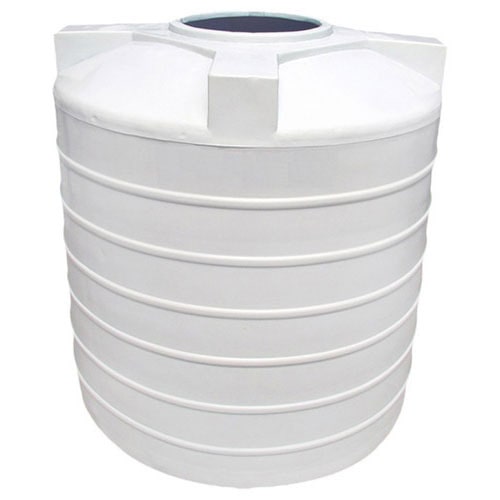
The vertical Mehydeb national water tank is a specific engineering choice that requires precise measurements to ensure hydraulic stability. The model tank we offer features a massive storage capacity of 80,000 liters, equivalent to 80 cubic meters of water suitable for use in major projects. The tank is constructed from high-quality Fiberglass, ensuring no chemical reaction with water or chemicals present in the construction environment.
Regarding engineering dimensions, the tank diameter is 350 cm, and the total height reaches 897 cm. These specific dimensions are designed to withstand high hydraulic pressures and distribute weight safely on solid soil at construction sites in Saudi Arabia. The tank's environmental resistance includes heat that may exceed 45 degrees Celsius and high humidity in coastal areas such as Jeddah and Dammam, preventing rust and corrosion that may occur in traditional metal tanks.
Purchasing Guide and Comparison: Mehydeb vs. Zamal
When searching for the best types of tanks, engineers and contractors frequently ask: what is the difference between a Mehydeb tank and a Zamal tank? Both brands excel in using Fiberglass, but the National Mehydeb tank stands out in the field of very large capacities (such as the 80,000-liter capacity) while providing long-term industrial warranties reaching up to 10 years on some models. This warranty ensures the product's sustainability for many years without the need for early replacement, which is crucial in infrastructure projects.
Regarding price, the 'price of a Mehydeb water tank' depends on several factors: capacity (10,000 liters, 50,000 liters, or 80,000 liters), and the method of delivery to the work site. At Yomats, we offer competitive prices that include fast delivery directly to Riyadh, Jeddah, and Dammam sites, saving you additional transportation costs.
Installation and Tank Maintenance
The installation process for a vertical Mehydeb tank requires technical skill to ensure no water leakage or separation of layers. Typically, the tank is connected to reinforced concrete, which secures its base and prevents movement. After installation, it is essential to inspect the upper cover to ensure a tight seal that prevents rain leakage or insect entry.
In 2026, we note that routine maintenance requires an annual visual inspection to ensure the integrity of the external Fiberglass layers. Tanks do not require painting or complex chemical care, but cleaning them from potential algae ensures the quality of the stored water. This type of simple maintenance ensures an operational lifespan extending for decades, especially if installed in a dry and clean environment.