

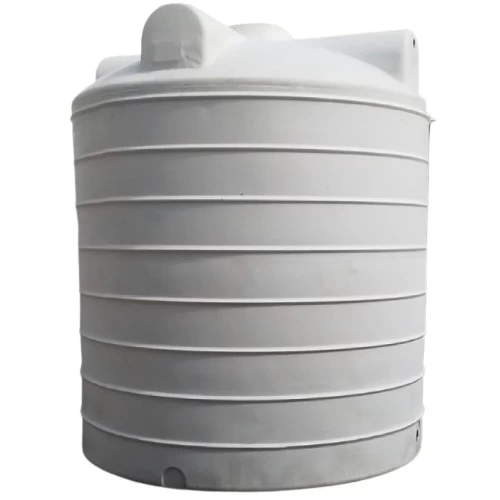
Water Tank Vertical Fiberglass 5000 Liter Capacity Diameter 1500 mm Height 2900 mm
Description
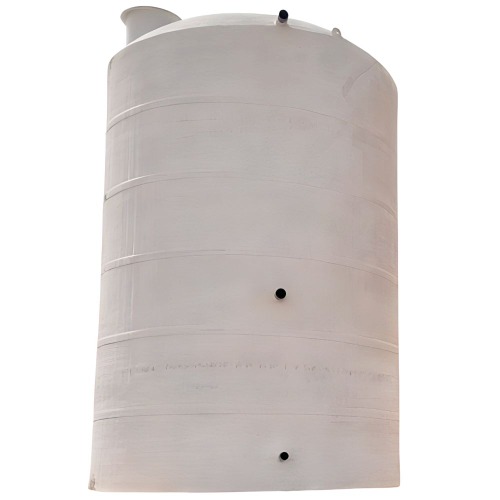
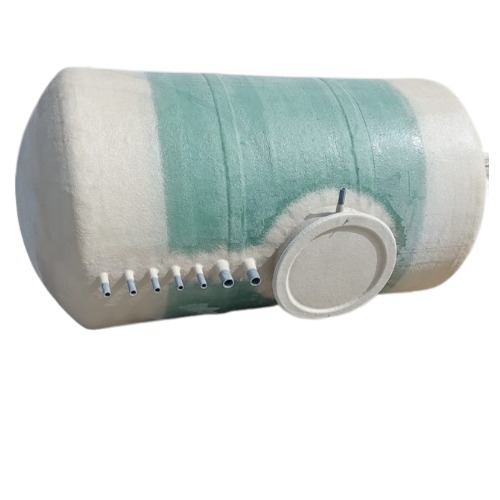
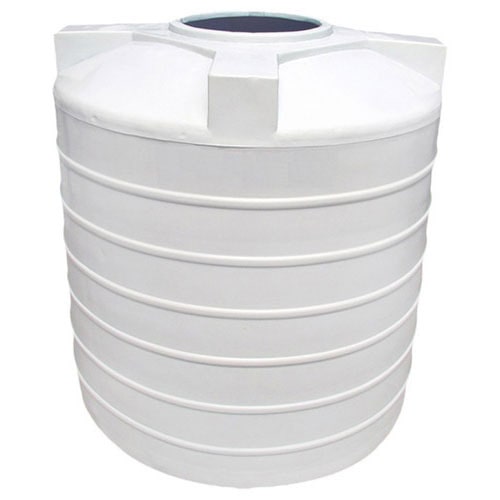
Water Tank by is a vertical fiberglass tank with a 5000 liter capacity, 1500 mm diameter, and 2900 mm height. Made from high-quality fiberglass, it offers exceptional strength and durability. Ideal for reliable water storage in harsh weather conditions.
Product Description
Vertical water tank manufactured by using premium fiberglass material, ensuring robust construction and long-lasting performance. This tank is designed to resist bacteria and fungi, safeguarding water quality and health. Its fiberglass composition provides excellent strength and rigidity, making it ideal for various construction and building applications in Saudi Arabia. The tank also withstands extreme weather conditions, including high temperatures, humidity, and heavy rainfall, while resisting rust and corrosion for extended durability.
- Design: vertical
- Material: Fiberglass
- Capacity: 5000 litres
- Diameter: 1500 mm
- Height: 2900 mm
- Resistant to bacteria and fungi
- Durable against harsh weather conditions
- Corrosion and rust resistant
Overview
Frequently Bought Together
Customers Also Viewed
Shop All








Matkel - All Rights Reserved


